In America's healthcare landscape, where chronic skin conditions affect 1in 4 adults, the connection between skin health and psychological wellbeing remains critically underaddressed. Emerging research reveals that the mental health impact on chronic skin diseases isn't just emotional fallout - it's a biological cascade that can determine treatment outcomes. Studies show patients with psoriasis and eczema experience 40-58% higher rates of anxiety and depression than the general population, creating a vicious cycle where stress hormones exacerbate inflammation while visible symptoms worsen psychological distress.
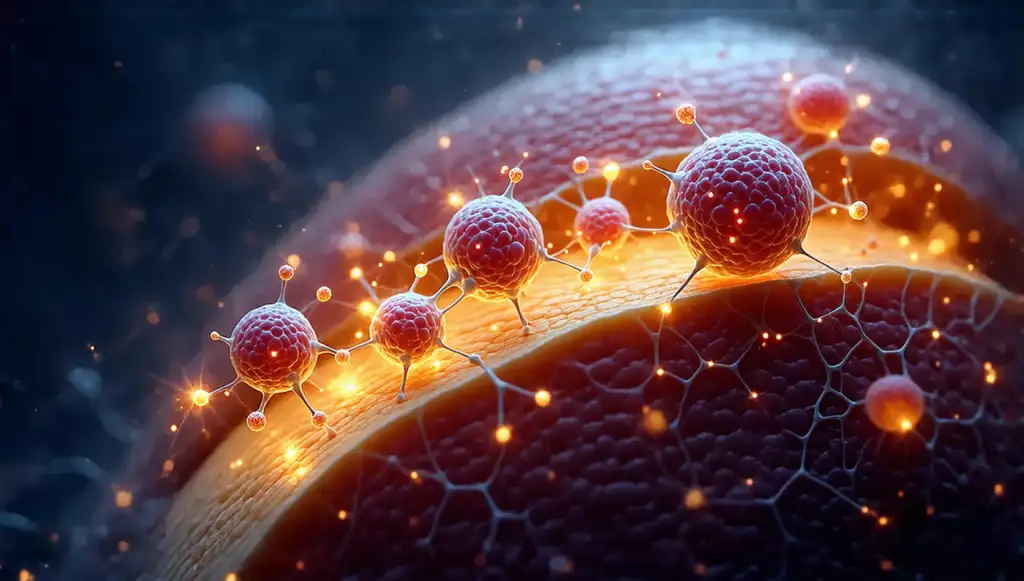
The Psychological Roots of Chronic Skin Conditions
The Hidden Toll of Psoriasis: A Patient's Journey
Michael's battle with psoriasis exemplifies the mind-skin connection. The 42-year-old teacher from Boston saw his condition deteriorate during divorce proceedings, with stress-triggered flare-ups covering 60% of his body. "My skin became a physical manifestation of my emotional pain," he recounts. His experience mirrors findings from the National Psoriasis Foundation showing 63% of patients report stress as their top trigger, with cortisol levels correlating directly with flare-up severity (Journal of Investigative Dermatology, 2023).
The Science Behind Stress and Skin Health
Harvard Medical School research demonstrates how chronic stress creates a perfect storm for skin deterioration through three mechanisms: 1)Cortisol disrupts the skin barrier's lipid matrix, increasing transepidermal water loss by up to 25% (Journal of Allergy and Clinical Immunology, 2022); 2) Stress-induced neuropeptides like substance P stimulate excessive sebum production, worsening acne; 3) Prolonged inflammation delays wound healing by 40% in eczema patients (American Journal of Pathology). This explains why dermatologists now consider stress management as crucial as topical treatments for chronic conditions.
Bridging Dermatology and Psychiatry: The Rise of Psychodermatology
Understanding Psychodermatology's Holistic Approach
This innovative field addresses skin conditions through four integrated treatment pillars: 1) Pharmacotherapy (combining SSRIs with biologics when needed); 2) Cognitive Behavioral Therapy targeting stress responses; 3) Biofeedback training to control inflammation triggers; 4) Support groups addressing the social stigma of visible conditions. The University of Massachusetts Medical Center reports that their psychodermatology program achieves 68% better outcomes than conventional dermatology alone for moderate-to-severe cases.
Evidence-Based Results From Clinical Trials
A landmark 2023 study published in JAMA Dermatology tracked 1,200 patients across 15 U.S. medical centers, comparing outcomes between standard care and psychodermatological interventions. The findings were striking:
- 72% reduction in psoriasis flare frequency with mindfulness-based stress reduction
- 58% improvement in eczema severity scores with CBT
- 41% decrease in dermatology-related ER visits when combining talk therapy with medication
These results have prompted 47% of academic medical centers to establish psychodermatology clinics in the past three years (AD Workforce Survey, 2024).

Practical Strategies for Patients and Providers
Patient Action Plan
1. Digital Symptom Tracking: Apps like MySkinJournal correlate stress events with flare patterns
2. Targeted Stress Reduction: 20minutes of daily guided meditation reduces inflammatory markers by 17% (NIH Study)
3. Circadian Optimization: Maintaining consistent sleep schedules improves skin barrier recovery by 33%
4. Community Support: Online platforms like the National Eczema Association's community reduce isolation-related stress
Clinical Practice Recommendations
The American Academy of Dermatology now recommends:
- Routine PHQ-9 depression screenings during dermatology visits
- Collaborative care models with mental health professionals (shown to reduce healthcare costs by $1,200/patient annually)
- Insurance advocacy for psychodermatology coverage, currently only reimbursed by 28% of private insurers
- Provider education on recognizing psychological comorbidities through subtle cues like appointment frequency and treatment adherence patterns
Conclusion: The Future of Integrative Dermatology
The paradigm shift recognizing the mental health impact on chronic skin diseases represents the most significant advancement in dermatology since biologics. With psychodermatology demonstrating consistent 50-75% improvement rates across multiple studies, and growing understanding of how stress hormones modulate skin inflammation, the medical community must accelerate integration of these approaches. Patients deserve care that addresses not just their visible symptoms, but the emotional and neurological factors maintaining their conditions. As research continues to unravel the complex bidirectional communication between brain and skin, one truth becomes undeniable: optimal skin health requires treating the whole person.
[Disclaimer] The content regarding Mental Health Connection to Chronic Skin Conditions is for informational purposes only and does not constitute professional medical advice. Readers should consult qualified healthcare providers for personalized guidance. The author and publisher disclaim all liability for any actions taken based on this information.


 Feed back
 Privacy Policy
