

 Feed back
 Privacy Policy
HealthHub
In the United States — a nation marked by its rich cultural diversity and evolving beauty ideals — the topic of skin lightening has become increasingly relevant. From skincare aisles in major drugstores to online beauty forums, the presence of products aimed at lightening skin tones is undeniable. However, behind the allure of brighter, lighter skin lies a complex interplay of cultural values, dermatological risks, and societal pressures that shape the practice of skin lightening cultural practices. Understanding these dynamics is crucial for safeguarding skin health and promoting inclusive beauty standards.
The motivations behind skin lightening are deeply rooted in history, economics, and identity. In many parts of the world, including the U.S., lighter skin has long been associated with privilege, attractiveness, and professional success. These perceptions are not accidental; they are the result of centuries of colonialism, media influence, and systemic biases. As a result, ethnic dermatology has emerged as a critical field in understanding how different skin types respond to lightening agents and what health risks are associated with their misuse.
This article delves into the multifaceted nature of skin lightening cultural practices, examining how beauty standards vary across ethnic groups, the health consequences of unsafe lightening methods, and the role of public health in addressing this global phenomenon. Through a combination of case studies, scientific data, and policy analysis, we will explore the current landscape of skin lightening in the U.S. and beyond, and consider how we can move toward a future that prioritizes skin health and celebrates diversity.
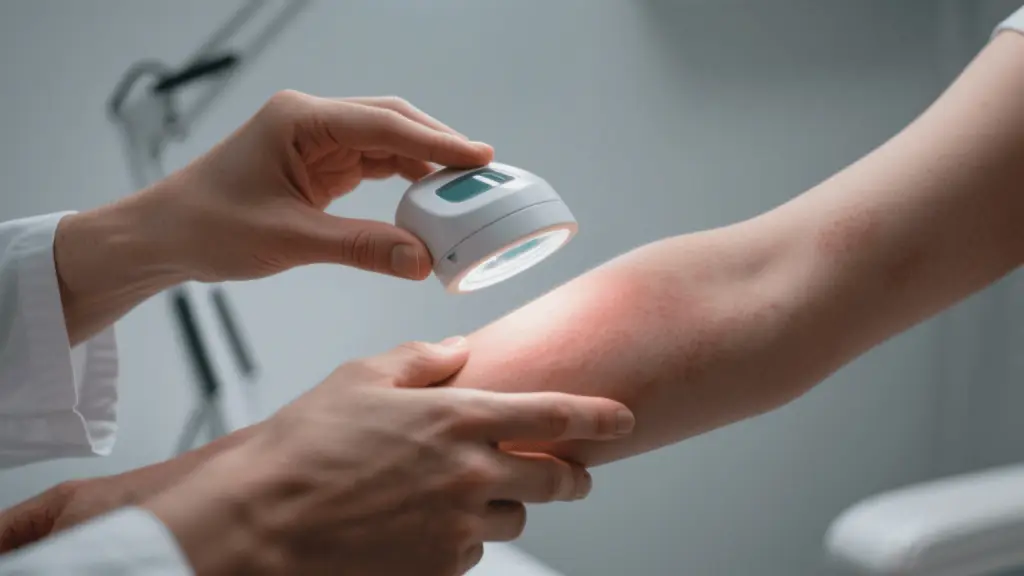
Skin lightening is not a modern invention. Its roots trace back to ancient civilizations where fair skin was often a marker of status and wealth. In Asia, for example, pale skin was historically associated with nobility, as it signified that one did not have to work under the sun. Similarly, in colonial Africa and the Caribbean, lighter skin tones were often linked to European ancestry and thus, perceived superiority.
In the U.S., these historical legacies have evolved into contemporary beauty ideals that continue to influence consumer behavior. African American, Latina, and Asian American communities, in particular, have faced pressures to conform to Eurocentric standards of beauty, which often include lighter skin tones. The legacy of colorism — a form of discrimination based on skin tone — remains a potent force, especially in media representation and professional opportunities.
Today, the global market for skin lightening products is estimated to be worth billions of dollars, with the U.S. being a significant player due to its diverse population and robust beauty industry. Advertisements often promote these products using language that implies improved confidence, attractiveness, and even career prospects.
Recent surveys and sociological studies reveal alarming trends in the U.S. A 2022 Pew Research Center report found that nearly 30% of non-white Americans have used or considered using skin lightening products to enhance their appearance or social standing. Among younger generations, particularly those active on social media, the desire to achieve a "flawless" or "radiant" complexion has been heavily influenced by celebrity endorsements and influencer culture.
Moreover, the rise of K-beauty and other global beauty trends has introduced a new wave of products marketed under the guise of "brightening" rather than "lightening," often bypassing regulatory scrutiny. These products, while sometimes beneficial for treating hyperpigmentation, can also contain harmful ingredients when misused.
The persistence of skin lightening cultural practices in the U.S. reflects a broader cultural tension between embracing diversity and confronting deeply ingrained biases. Understanding this tension is essential to developing effective public health strategies that protect skin health while respecting cultural values.
One of the most critical aspects of skin lightening is how it affects different skin types. Ethnic dermatology has shown that melanin-rich skin, such as that found in African American, South Asian, and Latinx populations, responds differently to chemical agents than lighter skin tones. Ingredients like hydroquinone, corticosteroids, and mercury — often found in over-the-counter and unregulated products — can cause significant damage when used improperly.
Clinical studies published in the Journal of the American Academy of Dermatology indicate that darker skin types are more prone to post-inflammatory hyperpigmentation (PIH) and hypopigmentation when exposed to harsh bleaching agents. These conditions can be long-lasting and difficult to treat, leading to further psychological distress and the continuation of unsafe lightening practices.
Medical reports from dermatology clinics across the U.S. paint a concerning picture. A 2021 case study from a New York City hospital detailed the experience of a 28-year-old woman of Nigerian descent who developed severe chemical burns and mercury poisoning after using an unregulated skin lightening cream purchased online. Her symptoms included skin peeling, chronic itching, and elevated mercury levels in her blood — a condition that can lead to kidney damage and neurological issues.
Other documented complications include:
These cases underscore the urgent need for better regulation and consumer education, especially in communities where skin health cultural lightening practices are most prevalent.
The media plays a pivotal role in shaping beauty standards. In the U.S., mainstream media — including television, film, and advertising — has historically favored lighter skin tones. This bias is evident in casting decisions, beauty endorsements, and even in the hiring practices of certain industries.
For instance, a 2020 study published in Social Psychological and Personality Science found that darker-skinned actors were significantly underrepresented in leading roles in Hollywood films compared to their lighter-skinned counterparts. Similarly, beauty campaigns often feature models with lighter complexions, reinforcing the notion that lighter skin is more desirable.
This pervasive messaging affects self-perception, particularly among youth. A survey conducted by the University of California, Los Angeles (UCLA) found that 45% of high school students from minority backgrounds felt pressure to lighten their skin to fit in or be considered attractive.
The psychological toll of skin tone bias cannot be overstated. Researchers have linked dissatisfaction with skin tone to a range of mental health issues, including:
A 2023 meta-analysis published in the Journal of Clinical Psychology reviewed over 50 studies and found a strong correlation between internalized colorism and poor mental health outcomes. Participants reported feeling excluded, less confident, and socially disadvantaged due to their skin tone.
These findings suggest that the pursuit of lighter skin is not merely a cosmetic concern but a reflection of deeper societal issues that affect skin health and emotional well-being.
The U.S. Food and Drug Administration (FDA) has taken steps to regulate the use of certain ingredients in skin lightening products. Hydroquinone, once a common ingredient, is now classified as a "cosmetic ingredient of concern" due to its potential carcinogenic effects. While it is still available in over-the-counter products at concentrations up to 2%, many dermatologists advocate for stricter regulations or even a ban.
The American Academy of Dermatology (AAD) has issued guidelines advising against the use of unregulated products and promoting safer alternatives such as vitamin C serums, retinoids, and sunscreen. Public health campaigns like the AAD's "Spot Skin Cancer" initiative also emphasize the importance of skin health and sun protection, which can naturally improve skin tone without harmful chemicals.
Local initiatives have also made strides in promoting skin health and challenging harmful beauty norms. In cities like Chicago, Los Angeles, and Atlanta, community health centers and nonprofits have launched programs targeting immigrant and minority populations. These programs offer free dermatological consultations, educational workshops, and culturally sensitive messaging about the dangers of skin lightening.
One such campaign, "Skin Deep: Embracing Natural Beauty," launched in 2021 by a coalition of Black dermatologists and mental health professionals, has reached over 100,000 people through social media and local outreach. The campaign emphasizes the beauty of melanin-rich skin and provides resources for those struggling with skin tone-related insecurities.
To truly address the issue of skin lightening cultural practices, healthcare providers, educators, and influencers must adopt a culturally sensitive approach. This includes:
Dermatologists should be trained to recognize and address the unique concerns of patients from diverse backgrounds. Educational materials should be available in multiple languages and distributed through culturally relevant channels.
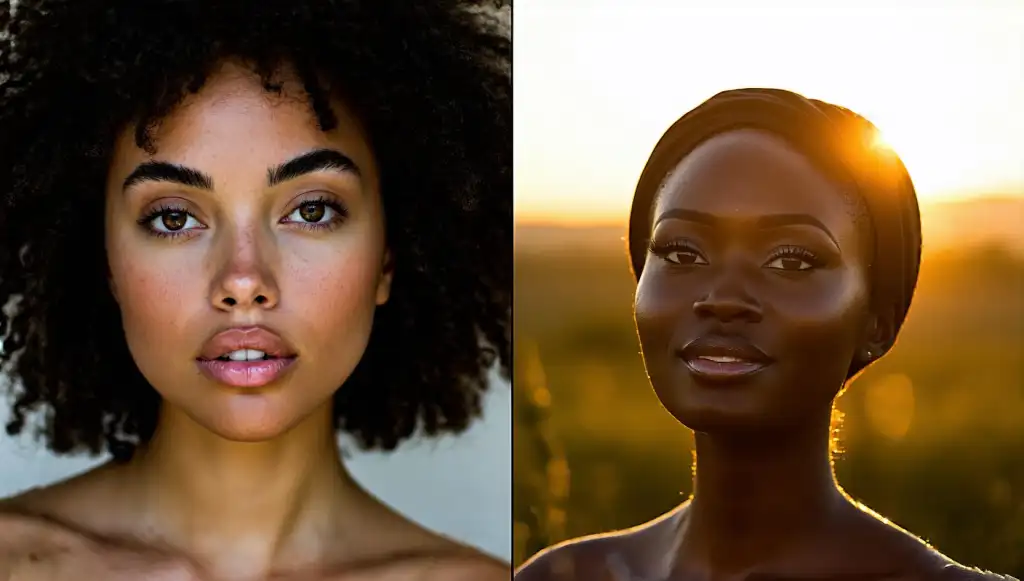
Media representation is a powerful tool in reshaping beauty standards. When people see themselves reflected in diverse and positive ways, it can reduce the pressure to conform to unrealistic ideals. The recent rise of inclusive beauty brands like Fenty Beauty and Rihanna's inclusive shade ranges have set a precedent for the industry.
In addition, schools and universities can play a role by incorporating discussions of colorism and beauty standards into health and social studies curricula. By normalizing conversations about beauty standards and skin health, we can empower the next generation to embrace their natural skin tones.
1. Are skin lightening products safe for all skin types?
No. Many products contain harsh chemicals that can cause long-term damage, especially for melanin-rich skin. Always consult a dermatologist before use.
2. Why are skin lightening practices more common in some cultures than others?
Historical, social, and economic factors, including colonialism and media influence, have shaped beauty ideals in different regions.
3. What can be done to promote healthier beauty standards in diverse societies?
Promoting inclusive media representation, providing culturally sensitive education, and enforcing product safety regulations are key steps.
Disclaimer: The information provided in this article about skin health and cultural practices is for educational purposes only and should not be considered as professional advice. Always consult with qualified healthcare providers regarding skin treatments or health concerns.
Johnson
|
2025.08.07
